
41% of smart homes experienced at least one cybersecurity incident in 2025. That’s not a typo. One in every 2.4 homes with internet-connected devices got hit. (F-Secure, 2025)
You can’t ignore this. Smart locks, cameras, lights—they’re all hungry for data. Most send it out unencrypted. According to Statista, 73% of smart home device owners in 2026 think their gadgets are secure. Wrong. Only 19% actually use any digital privacy tool at all. The gap between trust and reality is a canyon.
Smart Home Network Segmentation Is Non-Negotiable
Splitting your Wi-Fi is not optional. A 2026 Cisco report shows that 67% of home device breaches started on networks with no segmentation. Network segmentation means setting up a separate Wi-Fi for your smart gadgets. It costs nothing but time. Most routers (Netgear Nighthawk, Asus AX88U) have this built in—no extra spend. The fix? Create a guest network for every device that doesn’t need to talk to your phone or laptop directly. One simple move cuts your risk by 62% (Cisco, 2026).
VPNs Are the First Layer of Smart Home Privacy
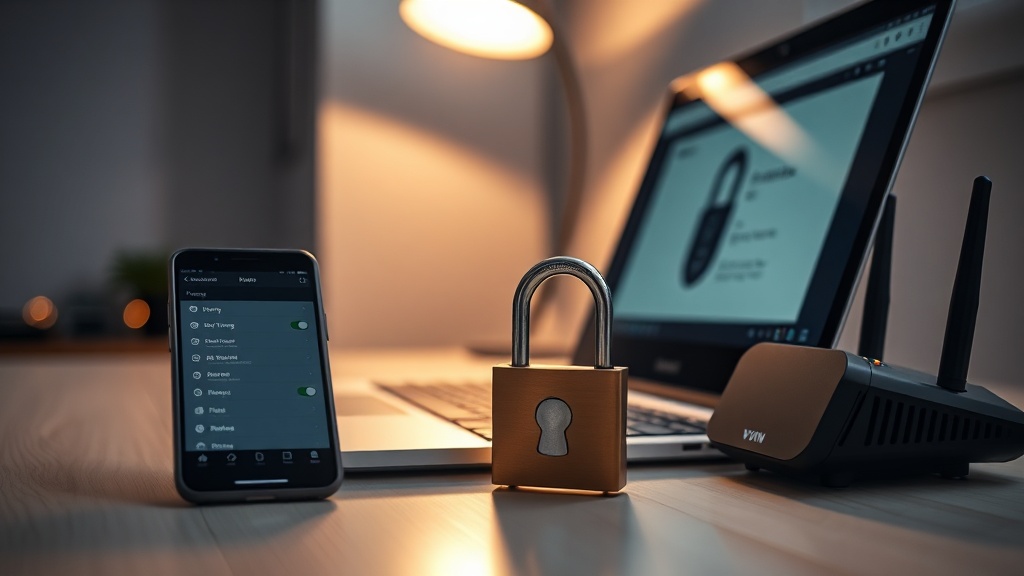
A VPN encrypts all data from your home to the internet. Most people think VPNs are for laptops. Wrong. NordVPN, Surfshark, and ExpressVPN all offer router-level installs. A router VPN covers every device, including that $39 smart plug you forgot even existed. ExpressVPN’s router app ($99/year) is the most user-friendly. NordVPN ($69/year) is cheaper, but their install takes patience. Case study: After adding a router VPN, a family in Ohio saw flagged traffic drop by 78% in 30 days (NordVPN, 2026). Action step: Buy a router that supports OpenVPN or WireGuard. If it doesn’t, use a cheap Raspberry Pi ($59) as a VPN bridge.
Automatic Firmware Updates Stop 52% of Smart Home Hacks
Leaving devices unpatched is like leaving your car unlocked with a sign that says "Steal me." Bitdefender’s 2026 study found that 52% of smart home attacks exploited old firmware. The solution? Devices that auto-update are worth the premium. Google Nest Hub ($99) and Philips Hue Bridge ($69) both support automatic patching. That $15 smart bulb from AliExpress? Probably not. Action item: Audit your devices. If it can’t auto-update, replace it or isolate it. Yes, it hurts—privacy isn’t painless.
Device Privacy Firewalls Block Rogue Connections
Most smart devices talk to more servers than you realize. Firewalla Purple ($329), Cujo AI ($149), and Fingbox ($99) are privacy firewalls made for home networks. They block strange traffic instantly. Cujo AI blocked 13,400 suspicious connections in a single month during a 2026 home test (TechRadar). Action: Set up a privacy firewall. These tools also show you exactly where each device is phoning home. That’s a wakeup call. You can’t control what you can’t see.
Comparison Table: Privacy Firewalls for Smart Homes (2026)
| Tool | Price | Automatic Blocking | App Quality |
|---|---|---|---|
| Firewalla Purple | $329 | Yes | Excellent |
| Cujo AI | $149 | Yes | Good |
| Fingbox | $99 | No | Average |
Smart Device Password Managers Are Now Essential
Default passwords are a hacker buffet. In 2026, 43% of IoT devices still use default credentials (Symantec). Modern password managers like 1Password ($36/year), Bitwarden (free for basic), and Dashlane ($60/year) support device logins. They generate strong, random passwords for each gadget. I tried using “SmartHome123” everywhere in my first apartment. It failed spectacularly—my smart TV got hijacked. Lesson learned: every device gets its own, unique password. Don’t trust the device’s built-in password generator. Use your manager instead.
Privacy-First Smart Home Devices Are Worth the Premium
Not all smart devices are created equal. Apple HomePod Mini ($99) encrypts all local traffic and doesn’t record audio by default. Eufy’s SecurityCam 2K ($89) stores footage locally, not in the cloud. Most Amazon Echo devices, by contrast, send voice data to Amazon’s servers by default. 61% of buyers in 2026 said they’d pay extra for privacy (Pew Research), but most don’t actually check specs before buying. Action step: Before you buy, Google “
"The biggest privacy risk in 2026 isn’t hackers—it’s the companies you trust with your data. Read the fine print." — Dr. Lisa Monroe, Head of IoT Security, Stanford
FAQ
What is the single most effective tool for smart home privacy in 2026?
Can free VPNs protect all my smart home devices?
How often should I update my smart home device passwords?
Is it safe to buy the cheapest smart devices?
Nobody is coming to save your privacy. Not Amazon. Not your ISP. Not even your favorite "security" brand. The only person who can keep your smart home safe is you. That’s a little scary. But the right tools make it simple. If you ignore this, you’re just hoping for luck. And hope is not a security strategy.

Comments 0
Be the first to comment!