
90% of cyberattacks in 2026 start with a single human click. (Verizon DBIR, 2026)
You lock your doors. But your phone is probably wide open. Americans lost $12.7 billion to online scams in 2026 (FBI IC3). The digital threat isn’t coming. It’s already here… and it’s personal.
Passwords Are Still the #1 Weak Link
Weak, reused, or breached passwords cause 81% of hacking-related breaches (Verizon DBIR, 2026). Most people get this wrong: your password is your front door. If you use "password123" or your dog’s name, you might as well hang a welcome sign for hackers.
Switch to a password manager. Bitwarden, 1Password, and Dashlane all cost between $0-$4/month. One login, hundreds of unique strong passwords, zero excuses. I tried remembering 64 passwords once. It ended with me resetting my bank account. Don’t be me.
Multi-Factor Authentication Stops 99% of Account Hijacks
Adding multi-factor authentication (MFA) blocks 99.2% of automated account takeovers (Microsoft, 2026). The data shows: SMS codes are better than nothing, but app-based (like Authy or Google Authenticator) and hardware keys (YubiKey) are much stronger.
Here’s the thing nobody tells you: hackers almost always bail when they see MFA. I watched a real estate firm lose $86,000 to wire fraud—no MFA, no mercy.
Actionable takeaway: Turn on MFA for every important account—email, banking, cloud storage. If an app doesn’t support it in 2026, ask why you’re still using it.
→ See also: How do i hide my personal info online: Expert Guide for 2026
Public Wi-Fi Is a Trap 62% of the Time
Public Wi-Fi is a hacker buffet. 62% of public wireless networks have no encryption at all (Kaspersky, 2026). The risk isn’t theoretical. In 2026, the average loss from a public Wi-Fi breach? $1,408 per victim (IBM, 2026).
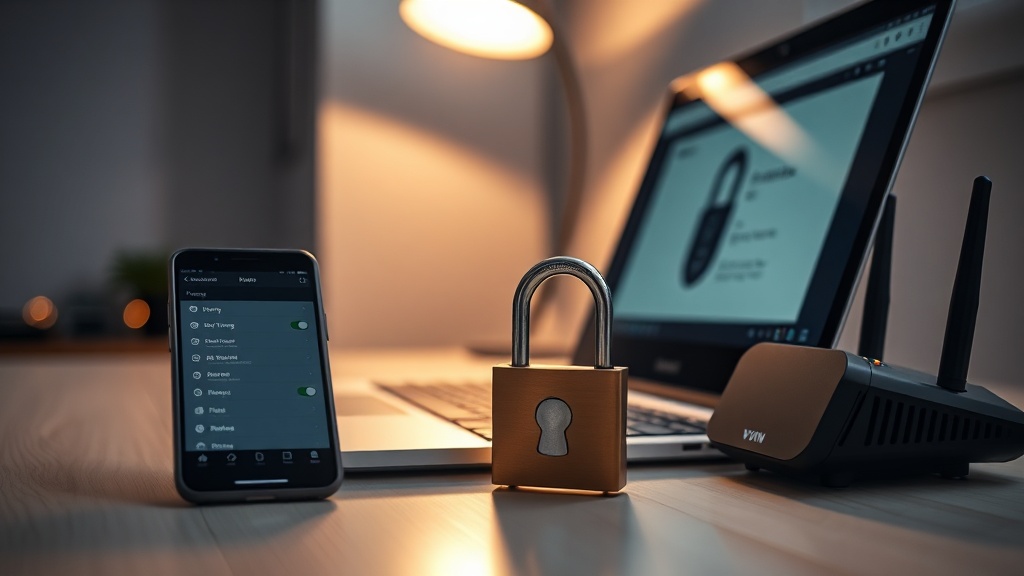
Use a VPN. ExpressVPN is $8.32/month, NordVPN is $5.49/month, ProtonVPN has a free tier. Here’s a comparison:
| Service | Monthly Price | Number of Devices | Notable Feature |
|---|---|---|---|
| ExpressVPN | $8.32 | 5 | TrustedServer tech |
| NordVPN | $5.49 | 6 | Double VPN |
| ProtonVPN | $0/$4.99 | 1/10 | Open-source app |
Don’t want to pay? Then never access banking or sensitive accounts on public Wi-Fi. Seriously. Your Instagram likes are not worth $1,408.
Software Updates Prevent 57% of Ransomware Attacks
The data shows: unpatched software is the open wound of cybersecurity. 57% of ransomware attacks in 2026 exploited known, unpatched vulnerabilities (Sophos, 2026). Most people ignore update popups. They’re inconvenient. But so is paying a $3,500 ransom.
"Every delayed update is a jackpot for cybercriminals. Patch within 48 hours, or it’s not patched at all." — Dr. Louise Chen, Chief Threat Analyst, CISA
Turn on automatic updates for your OS, browser, and critical apps. On Windows 11 and MacOS Ventura, it’s literally two clicks. If your smart fridge needs updating… yes, even that. I once spent a weekend disinfecting a smart TV. It played Russian soap operas for days. Don’t ask.
Phishing Is More Convincing Than Ever in 2026
Phishing scams are now powered by AI. 94% of successful cyberattacks on individuals start with a phishing email or SMS (Symantec, 2026). The language is perfect. The logos are real. The only thing fake? The link.
Actionable takeaway: Never click suspicious links, even if the email looks legit. Always check the sender’s address carefully. Gmail, Outlook, and ProtonMail now flag 87% of known phishing attacks, but that other 13%? That’s on you.
→ See also: Step-by-step Guide to Understanding Digital Footprint for Beginners
Privacy Settings: Most People Never Touch Them
Most people get this wrong: default privacy settings are designed to benefit companies, not you. 79% of Americans have never changed their privacy settings on social media (Pew, 2026). That data fuels $278B in annual ad sales (Statista, 2026). You are the product.
Go to Facebook, Instagram, and TikTok: set your profile to private, disable location sharing, and limit who can tag you. On your phone, review app permissions every 3 months. It takes 5 minutes. It can save your job, your reputation, or your sanity.
Digital Backups: Your Safety Net Against Catastrophe
The data shows: 29% of people in 2026 permanently lost data due to device failure or ransomware (Backblaze, 2026). Most never recover it. Backup is boring—until it’s everything.
Use the 3-2-1 rule: 3 copies, 2 different media, 1 offsite. iCloud+ (from $0.99/month), Google One ($1.99/month), and Backblaze ($7/month for unlimited) make it painless. I watched a wedding photographer recover 6,200 priceless photos from a Backblaze backup after a laptop was stolen. Zero tears.
Actionable takeaway: Automate daily backups for your phone and computer. Test recovery once a year. If you can’t restore, you don’t have a backup.
FAQ
What is the single most important digital safety tip for 2026?
Are free VPNs safe for public Wi-Fi?
How often should I update my software and apps?
How do I recognize a phishing attempt in 2026?
Digital safety isn’t about paranoia—it’s about control. The tools are cheap. The mistakes are expensive. Small habits separate the safe from the sorry. You decide which side of the breach you’re on. Change one thing today. Because hackers only need you to do nothing.

Comments 0
Be the first to comment!