
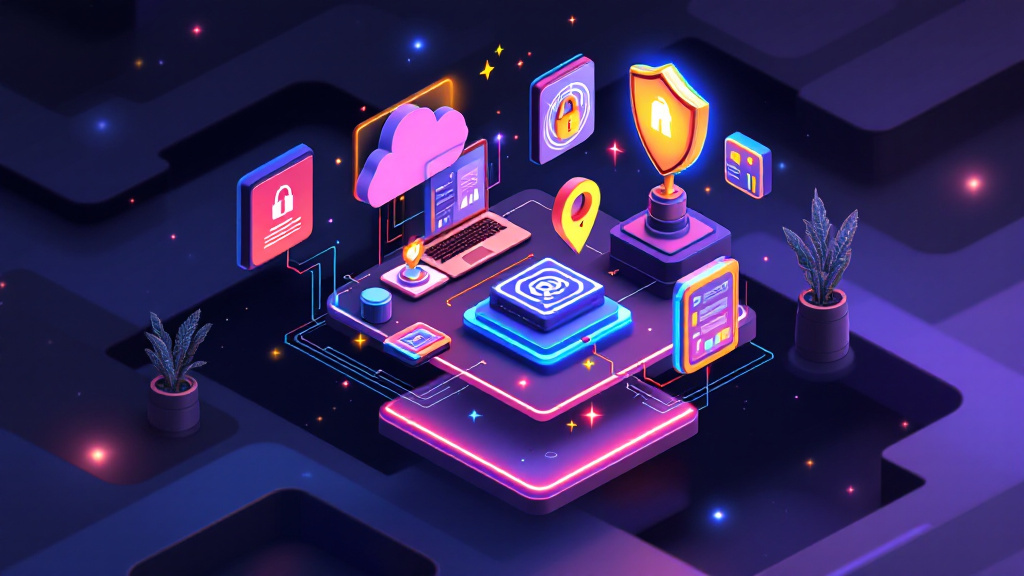
73% of people wrongly believe their AI chatbot conversations are private, with courts ruling otherwise as recently as 2026. [3]
Organizations and individuals are racing to integrate AI chatbots everywhere—from banking to personal productivity. But here’s the catch: conversations with these bots can be stored, analyzed, and even subpoenaed as evidence in court. According to techradar.com, legal protection is usually absent, and your words can come back to haunt you.
Most people get this wrong: AI chatbot conversations are not fully private
AI chatbots may feel personal, but the data trail they create is anything but. Courts have ruled that your AI chatbot conversations are not necessarily protected and can be submitted as evidence. [3] This misconception is widespread: 73% of people wrongly assume these chats are private. [3] Unlike emails protected by attorney-client privilege, chatbot interactions are fair game. If you’re sharing sensitive information, assume it could become public.
The actionable takeaway: Never share confidential or personally identifiable information with an AI chatbot unless you’re absolutely sure of the provider’s data retention and privacy practices. Assume that anything typed could, one day, be read by someone else.

Data minimization is the simplest and strongest protection
The most effective way to protect data from AI chatbots is simply not to give them more information than strictly necessary. [1] Data minimization means avoiding the sharing of sensitive information—like social security numbers, financial details, or private client data—with any chatbot, regardless of the provider.
This isn’t just about paranoia. Providers routinely use user interactions to train models, and there’s active debate about how this data should be handled. [6] The less you share, the smaller your privacy risk becomes. You don’t have to be perfect: just make it a rule to keep critical details out of chatbot conversations.
→ See also: How do i hide my personal info online: Expert Guide for 2026
Encryption and anonymization are foundational for safe chatbot use
Robust encryption across the entire data lifecycle is essential for safeguarding chatbot data—both in transit and at rest. [1] Without this, your conversations could be intercepted or improperly accessed. Providers like Proton’s Lumo offer zero-access encryption and do not use conversations for training by default. [4]
Data anonymization techniques (such as data masking and differential privacy) further shield user identities in stored chatbot data. [1] These methods help prevent re-identification attacks should a data breach occur. The best move as a user: choose providers that publicly commit to strong encryption and data anonymization, and verify those claims where possible.

Zero-trust architecture gives you another layer of defense
Zero-trust architecture requires that every access request is authenticated, regardless of where it originates. [1] This approach dramatically reduces the risk of unauthorized access to chatbot systems and user data. It’s a shift from the old model of “trust but verify” to “never trust, always verify.”
Some providers are starting to implement zero-trust principles, requiring multi-factor authentication for access and strict permission controls. For end users, look for services that advertise zero-trust infrastructure or, if you’re deploying your own chatbot, insist on these controls from your IT team. This is what actually works. Not the fluffy advice you see everywhere.
Temporary chats and privacy settings offer practical, hands-on control
Temporary or incognito chats are a practical way to ask sensitive questions without leaving an enduring data trail. [2] Many platforms now offer “temporary chat” or “incognito mode” options—use them for anything that could put you at risk if leaked. It won’t solve everything, but it reduces exposure.
Regularly reviewing privacy settings within AI chatbots is also critical. [2] Many people don’t realize how much control they have over data storage, sharing, and deletion options. Take a few minutes every quarter to check these settings and opt out of model training or data sharing where possible.

→ See also: Step-by-step Guide to Understanding Digital Footprint for Beginners
Data retention policies and legal risks are often overlooked by users
Understanding and managing the data retention policies of your AI chatbot provider is fundamental for privacy. [2] Providers vary widely in how long they store conversations, and under what circumstances data is deleted. Debates are ongoing about best practices for retention, but the user is on the hook for knowing the rules.
Conversations with AI chatbots may not just be unprotected—they can actively put you at legal risk. [3] If subpoenaed, your words can end up as evidence. Users tend to underestimate these risks, often assuming legal privilege applies. It doesn’t. Read privacy and retention policies before using any new chatbot for sensitive work, and ask for written commitments to deletion if your use case demands it.
VPNs, local AI, and data broker removal: what actually works for privacy
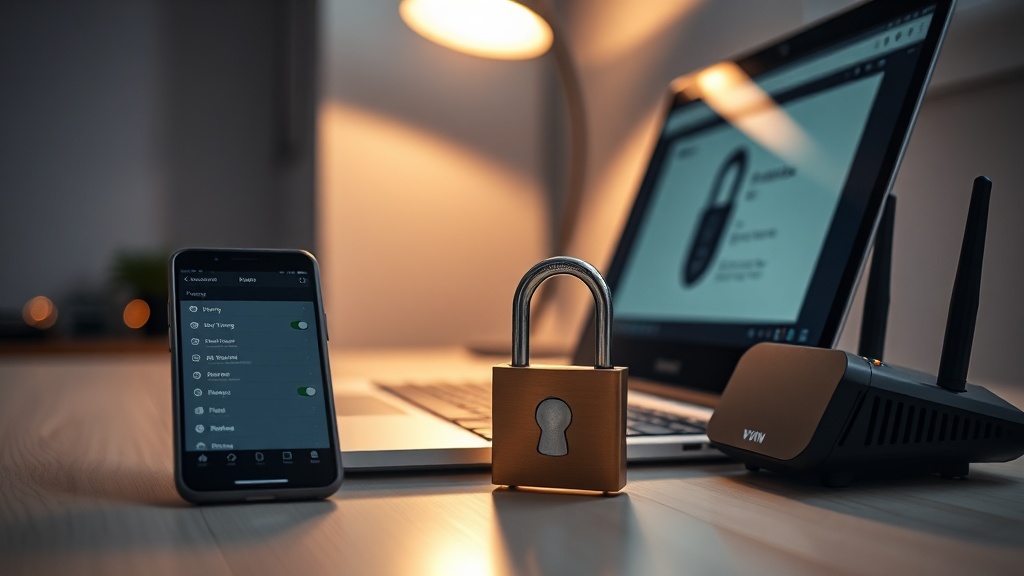
A VPN can hide your real IP address and your location from chatbot providers, and will keep your ISP from seeing which services you connect to. [4] But here’s the thing nobody tells you: a VPN does not control what AI chatbot providers store or do with your data. [4] It’s a useful layer, but not a magic bullet.
For maximum privacy, consider local AI models like Ollama, which allow you to interact with chatbots without sending data to external servers. [4] Tools such as Malwarebytes Personal Data Remover, DeleteMe, and Incogni help remove your personal data from broker sites, making it harder for external parties to cross-reference your identity with chatbot logs.
| Tool | Key Feature |
|---|---|
| Proton's Lumo | Zero-access encryption, no training by default |
| Ollama | Runs locally, no data sent to servers |
| Malwarebytes Personal Data Remover | Automated broker data removal |
| DeleteMe | Personal info removal from broker sites |
| Incogni | Online database data removal |
Sovereign AI is about retaining control over your data lifecycle
Sovereign AI is a growing movement—one that’s about more than where your data physically sits. It means maintaining accountable control over your data, models, infrastructure, and the people who operate them throughout the AI lifecycle. [5] This philosophy is especially relevant for organizations, but individuals can learn from it.
Opt for providers who are transparent about their data flows, and choose platforms that offer local or private AI options. Take steps to keep your own data local or within closed systems when possible. The more you control, the fewer privacy surprises you’ll encounter.
"AI chatbot conversations are not necessarily private or legally protected, and they can be used as evidence in court." — techradar.com
→ See also: How Can We Avoid Online Scams and Phishing Attacks
FAQ: How to Protect Data From AI Chatbots in 2026
Do VPNs make my chatbot conversations private?
Are my AI chatbot chats protected by legal privilege?
What is the safest way to use AI chatbots for sensitive topics?
How do I remove my personal data from online databases?
Your digital life, your rules
I’ve seen too many people treat AI chatbots like a locked diary—then get blindsided by a privacy breach or legal subpoena. The illusion of privacy is powerful, but it’s just that: an illusion. The reality is, your best protection is your own vigilance. That means thinking before you type, choosing providers with real technical safeguards, and never counting on legal privilege where none exists. In 2026, the most secure digital life is the one you actively defend.
Sources
- techtarget.com/ai/tip/Top-4-AI-chatbot-privacy-concerns-and-how-to-mitigate-them
- aiemulate.com/ai-privacy-settings
- techradar.com/vpn/vpn-privacy-security/you-thought-your-chatgpt-conversations-were-pr…
- techradar.com/vpn/vpn-privacy-security/does-a-vpn-protect-your-privacy-when-using-cha…
- techradar.com/pro/sovereign-ai-is-about-more-than-where-data-resides
- techradar.com/ai-platforms-assistants/chatgpts-new-locked-chats-feature-sounds-great-…
- techradar.com/pro/malwarebytes-personal-data-remover-review

Comments 0
Be the first to comment!